Mushrooms In Pakistan: The Types On Your Table
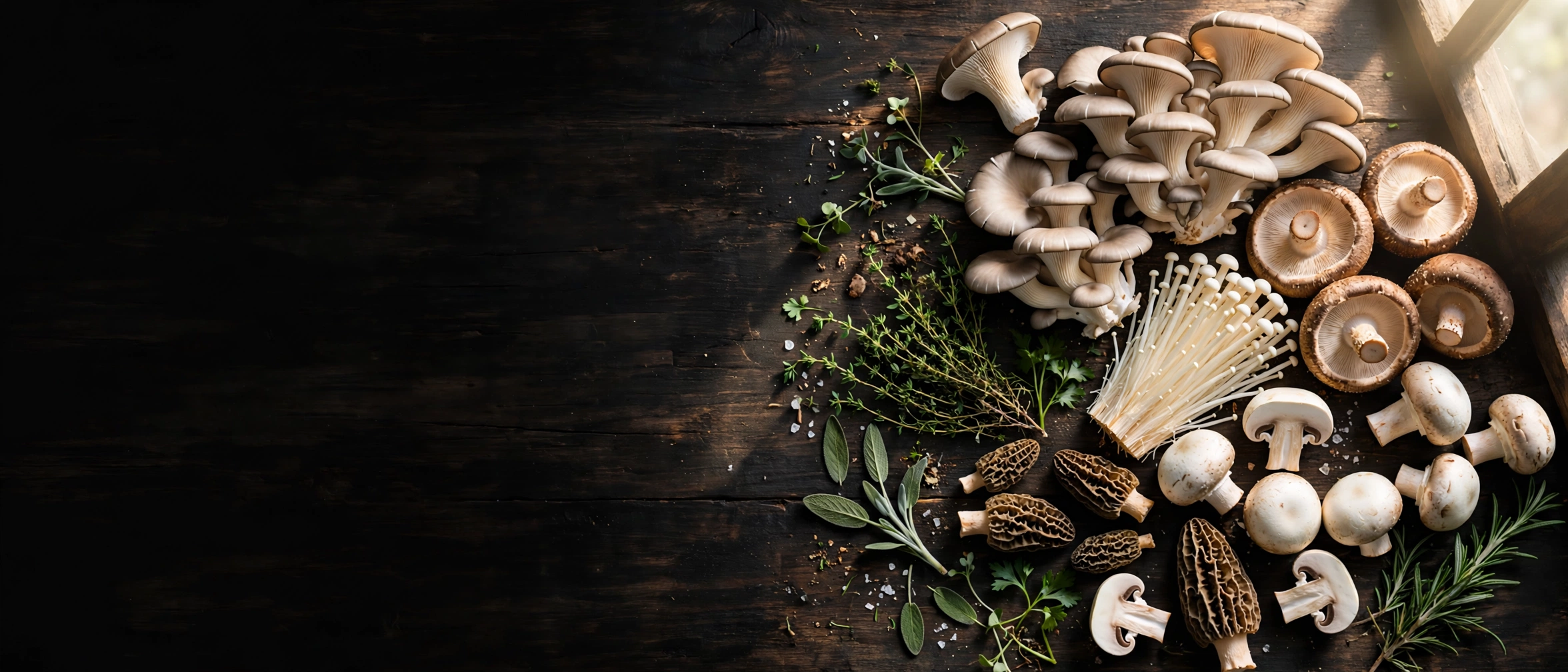
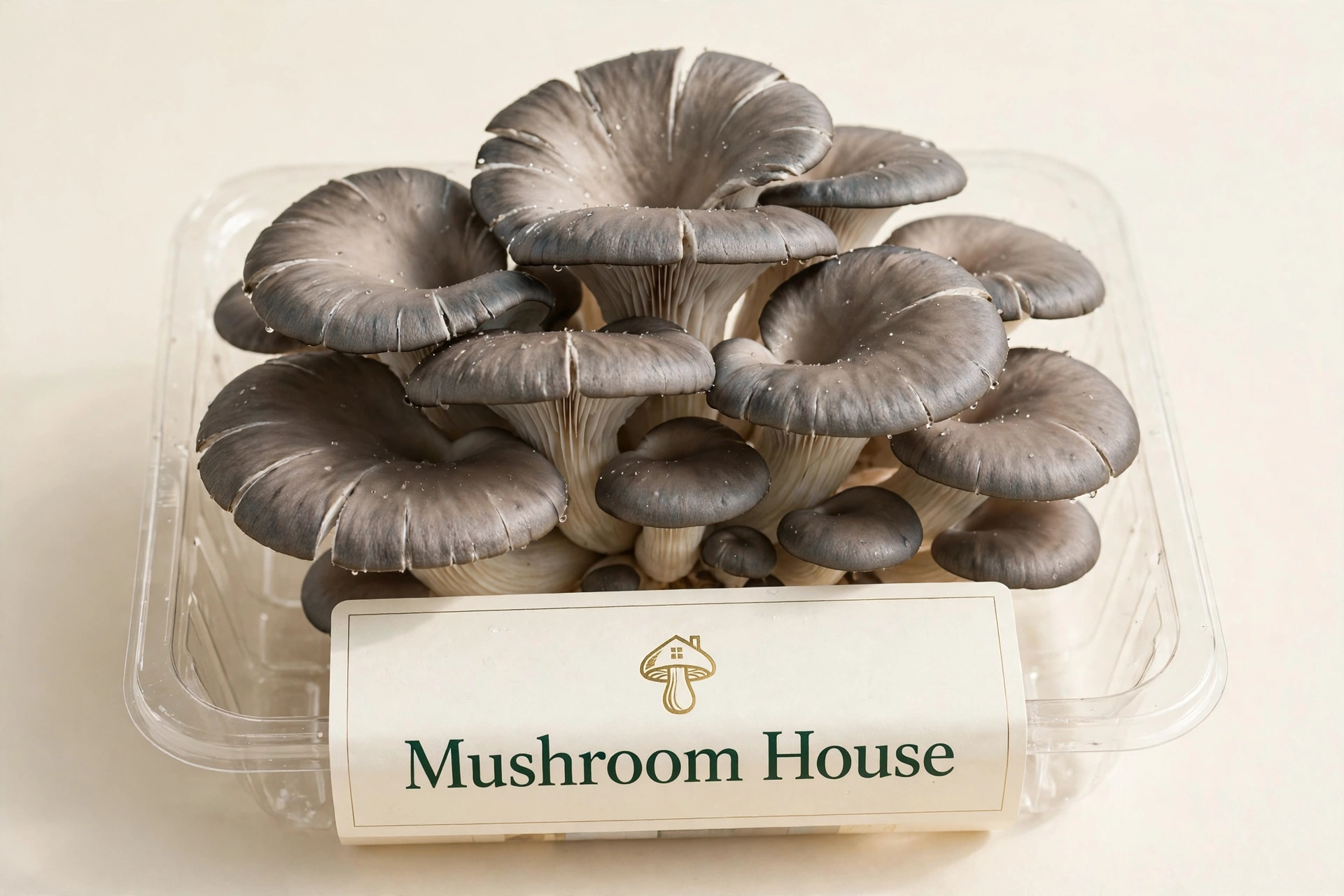
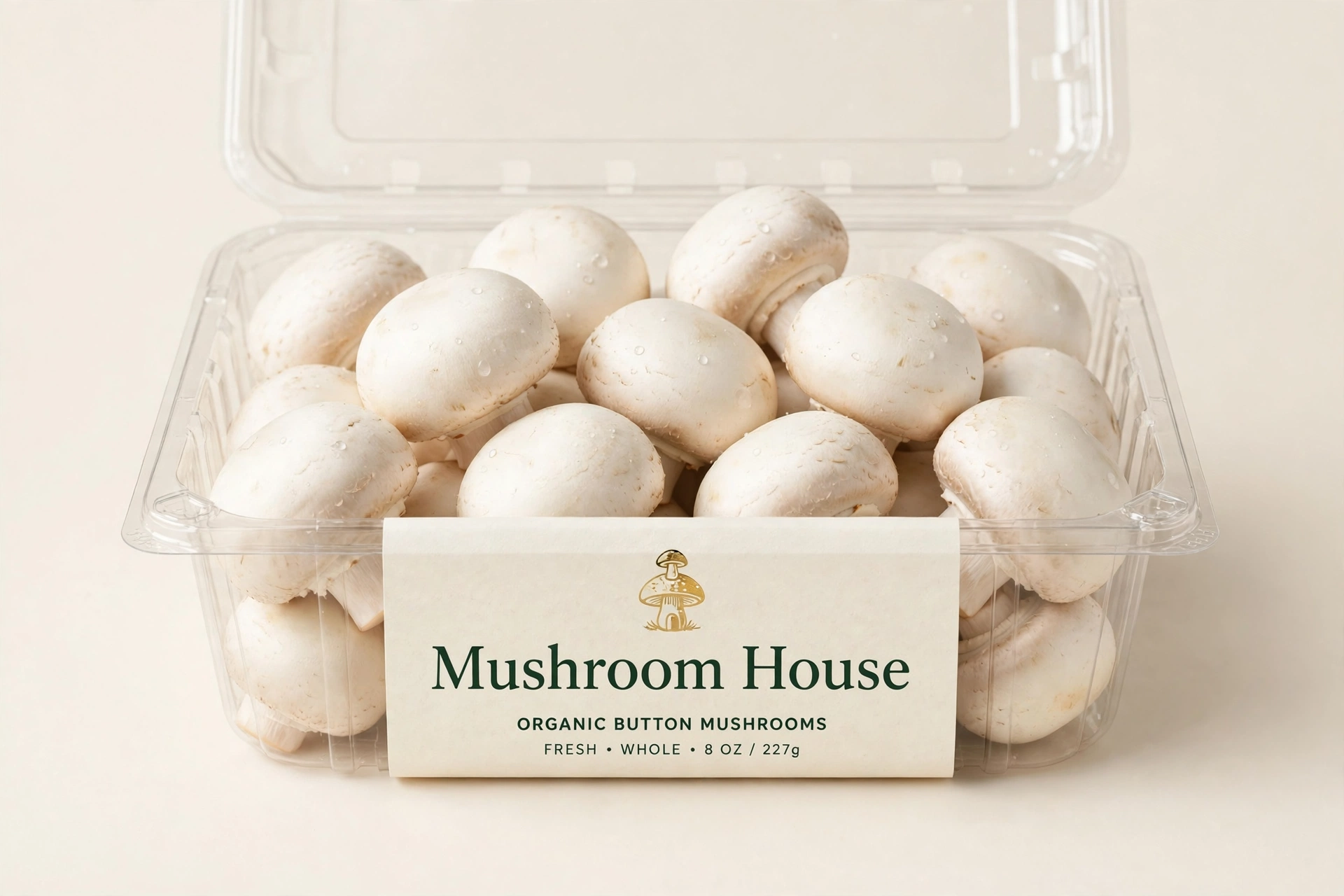
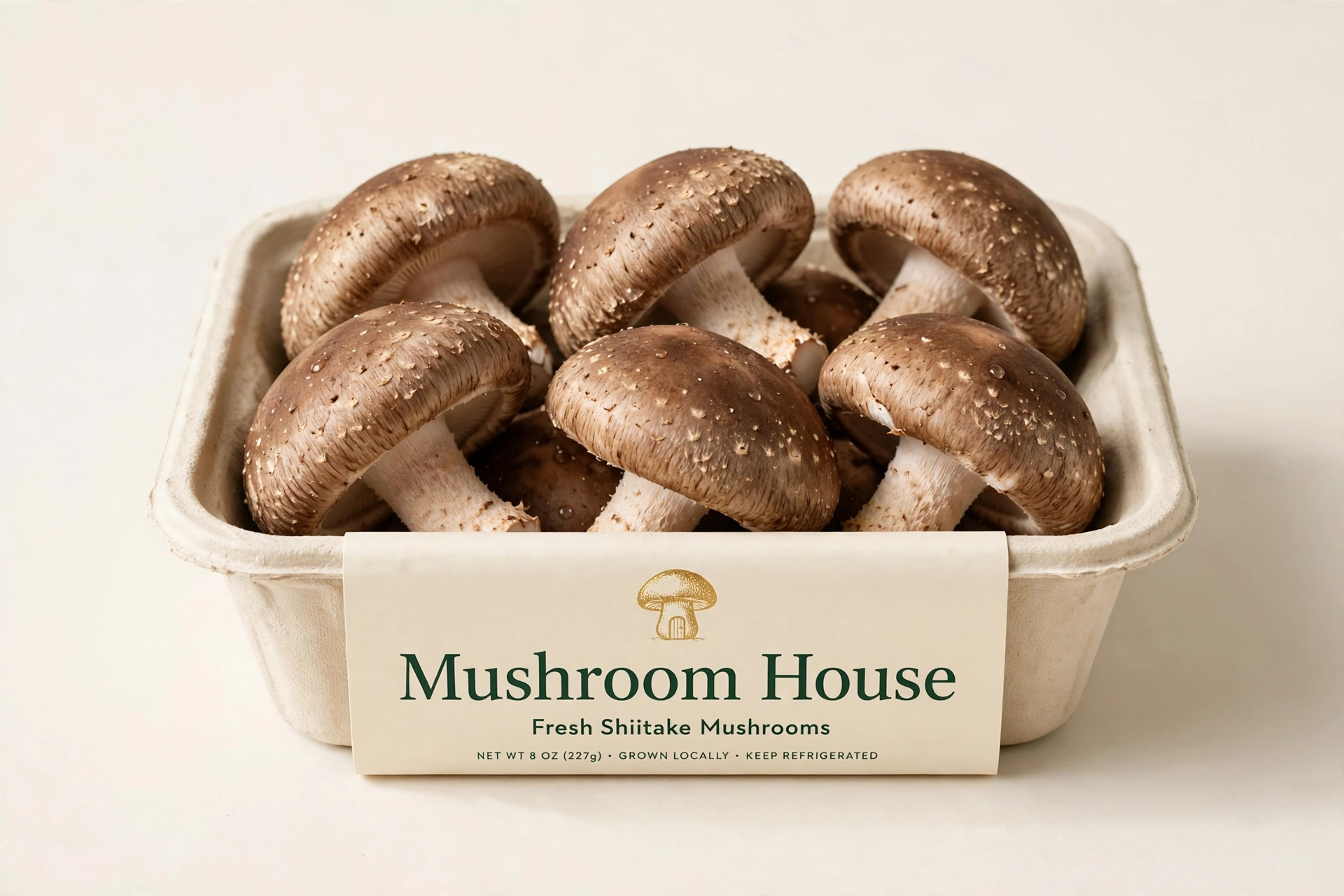
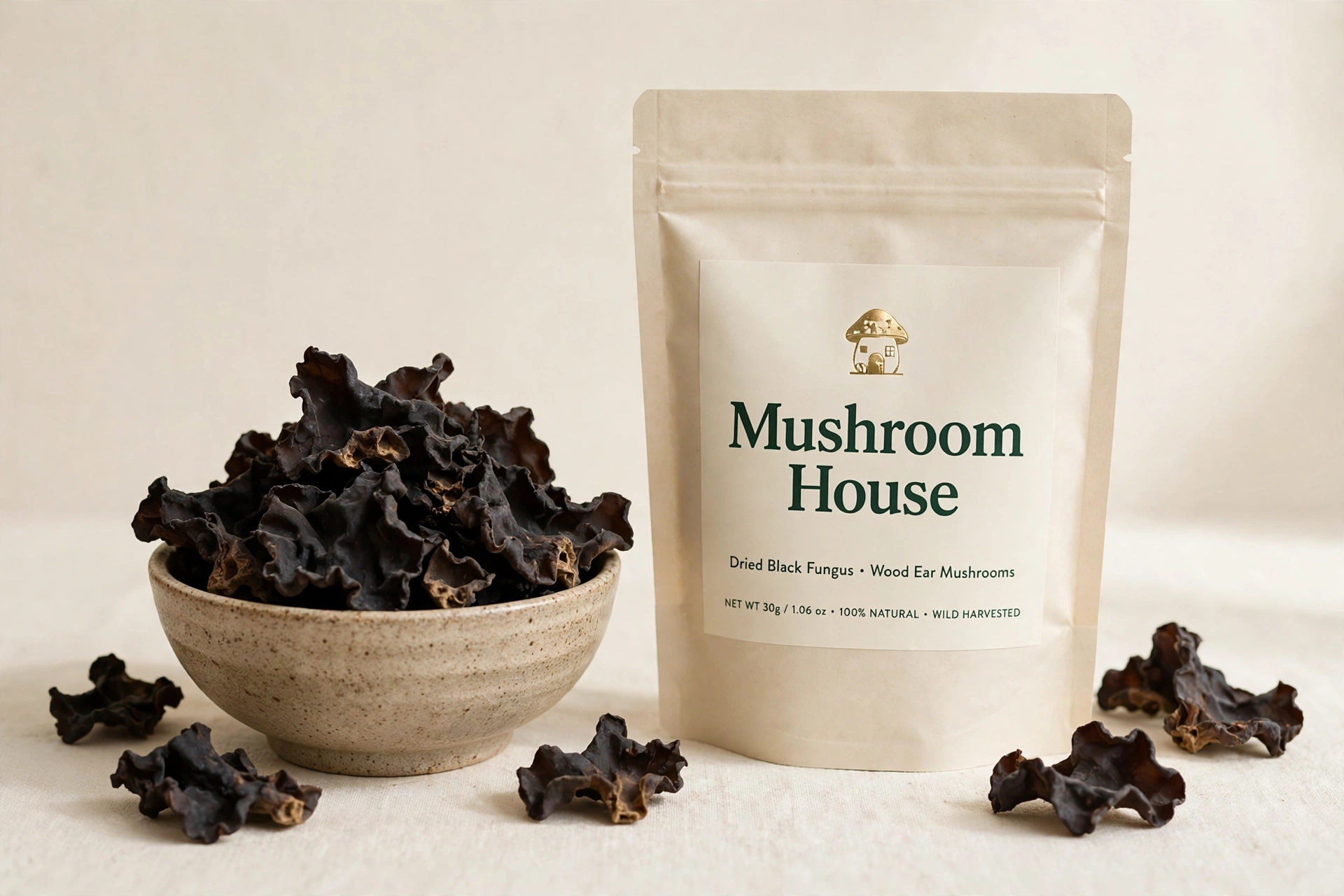
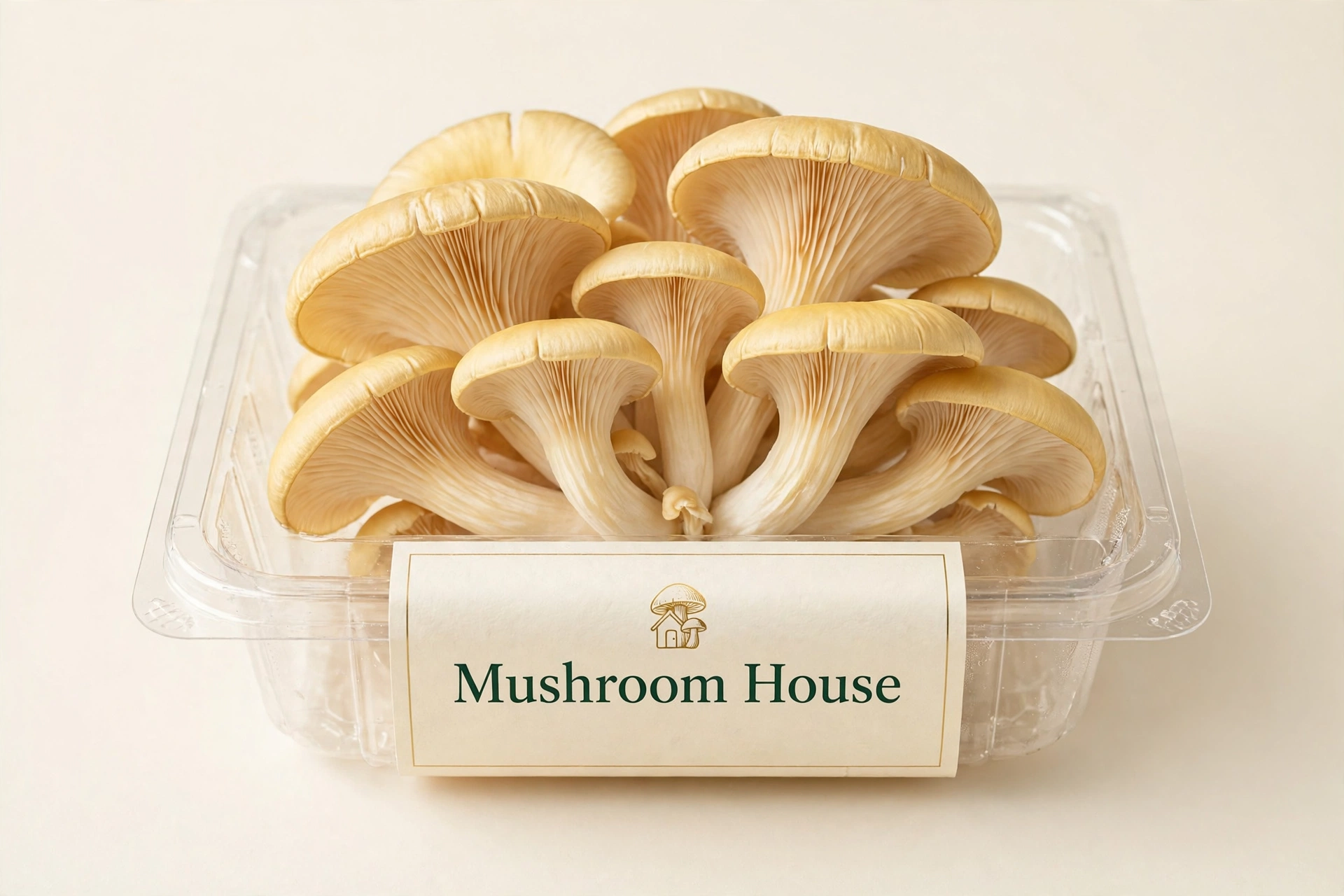
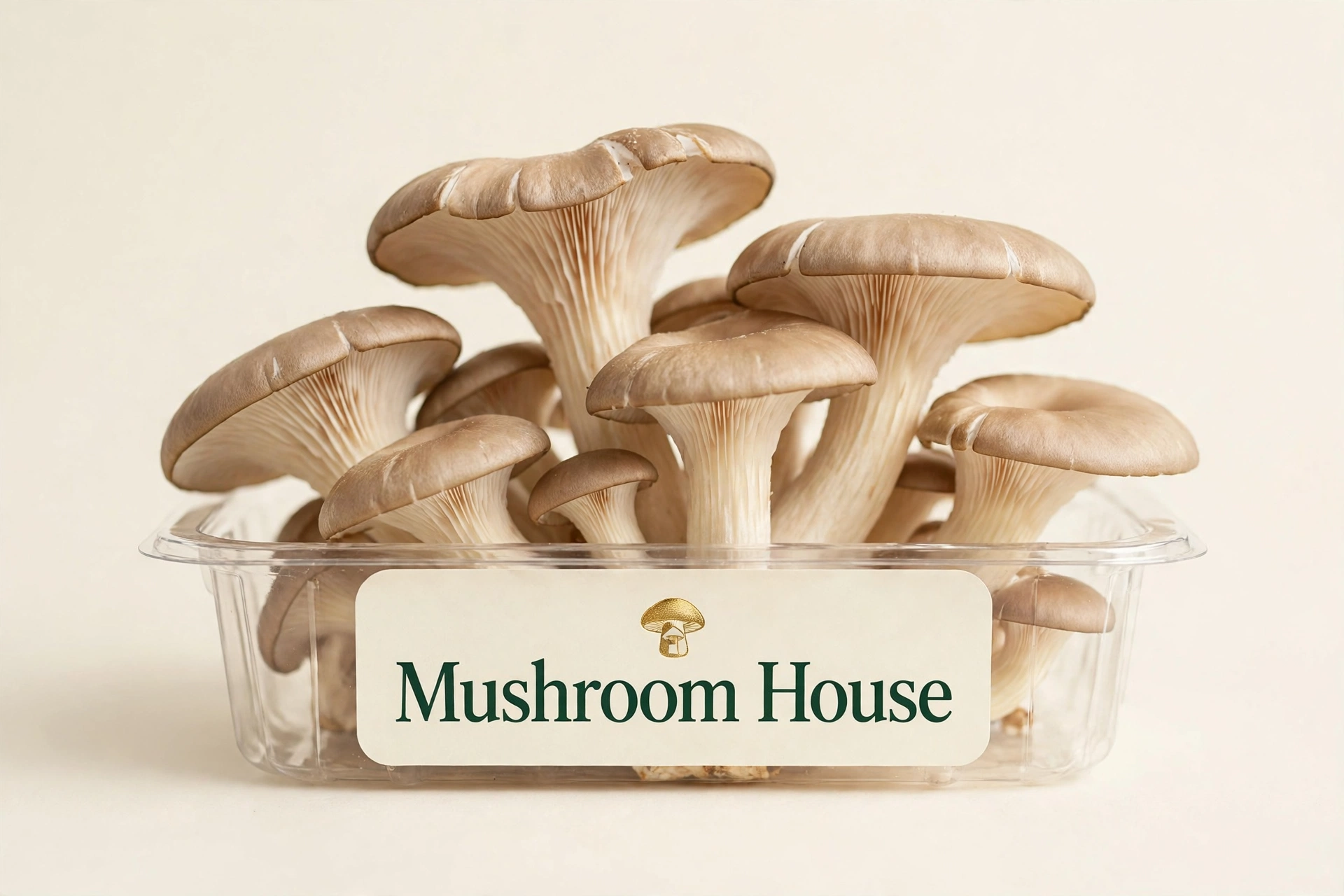
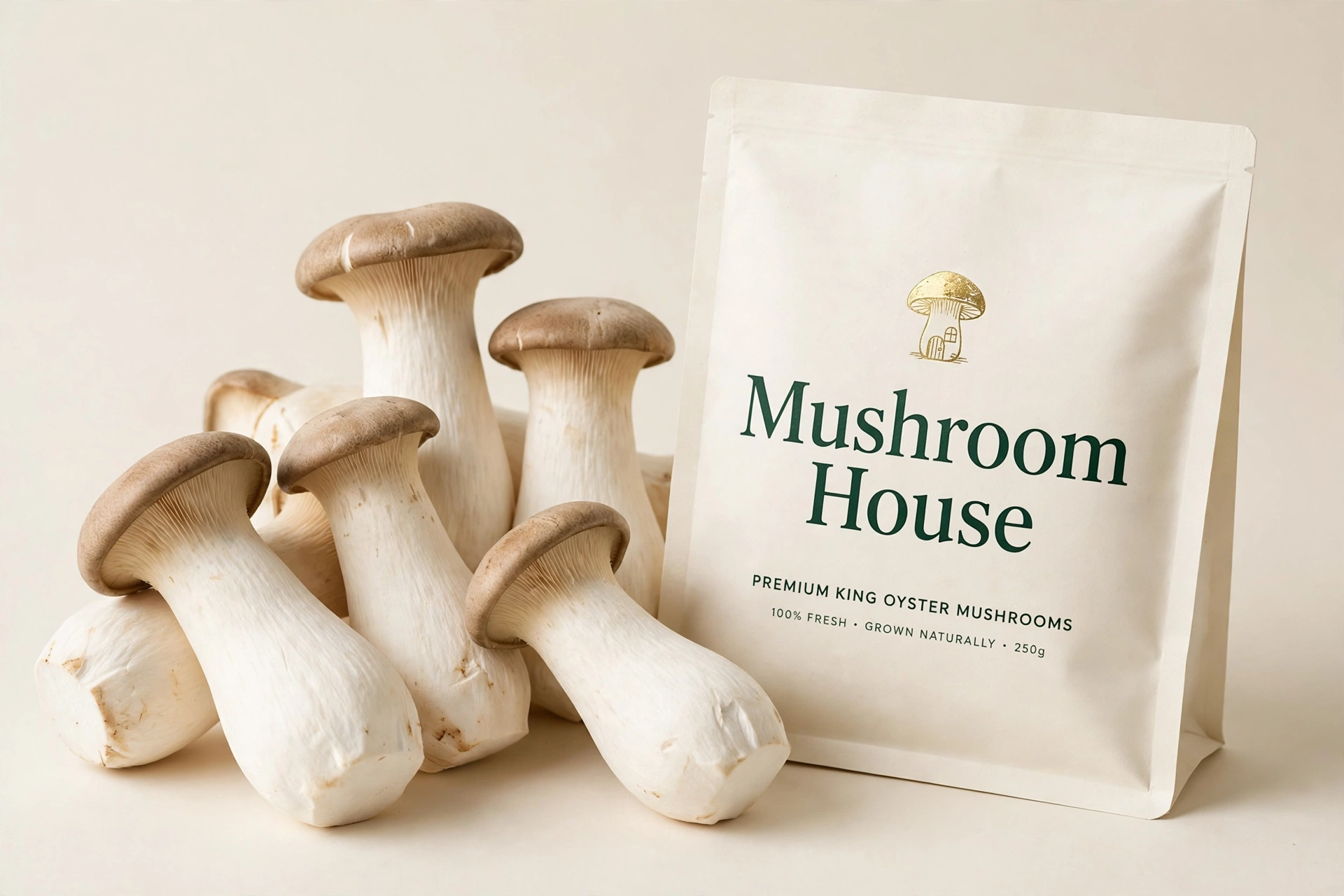
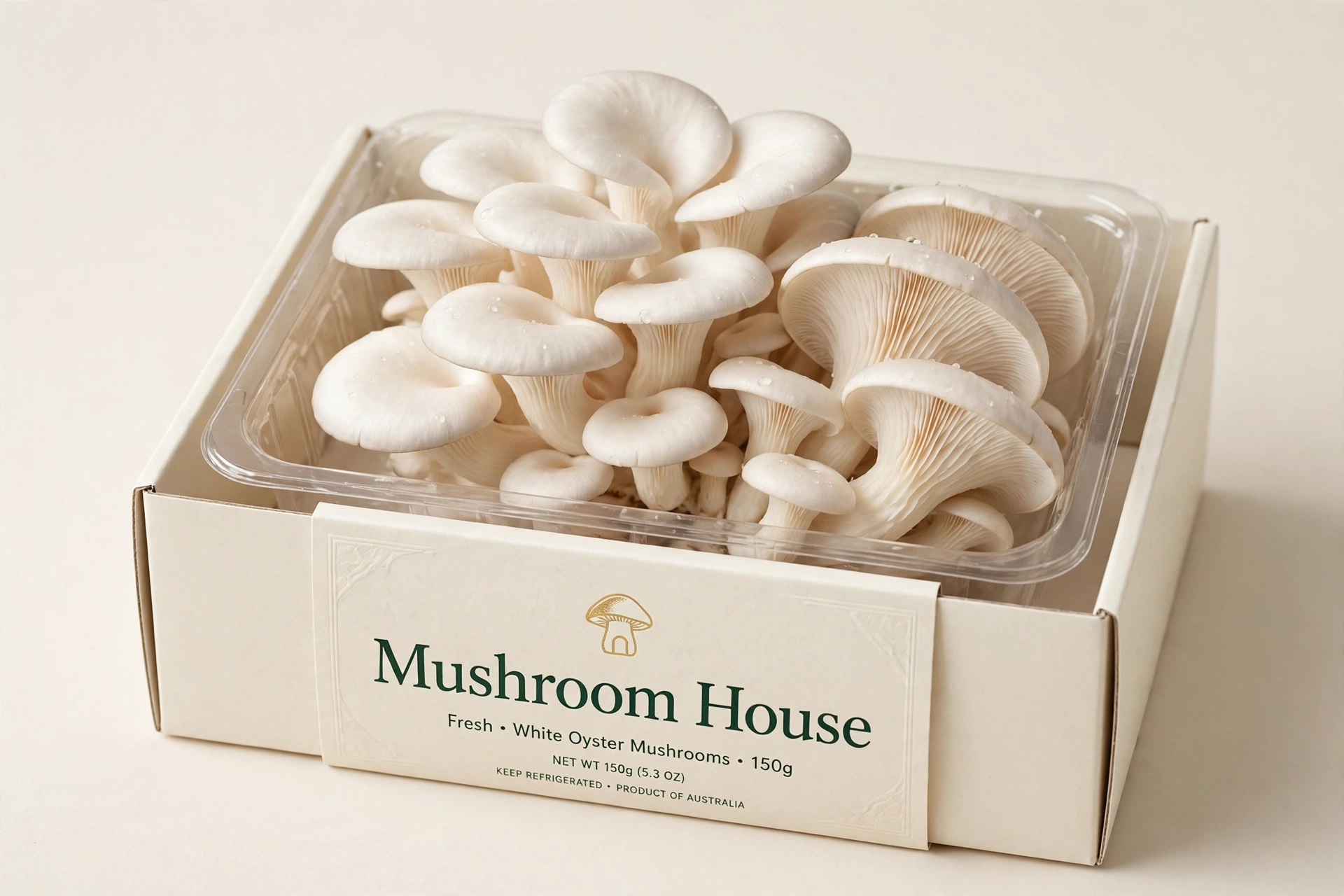
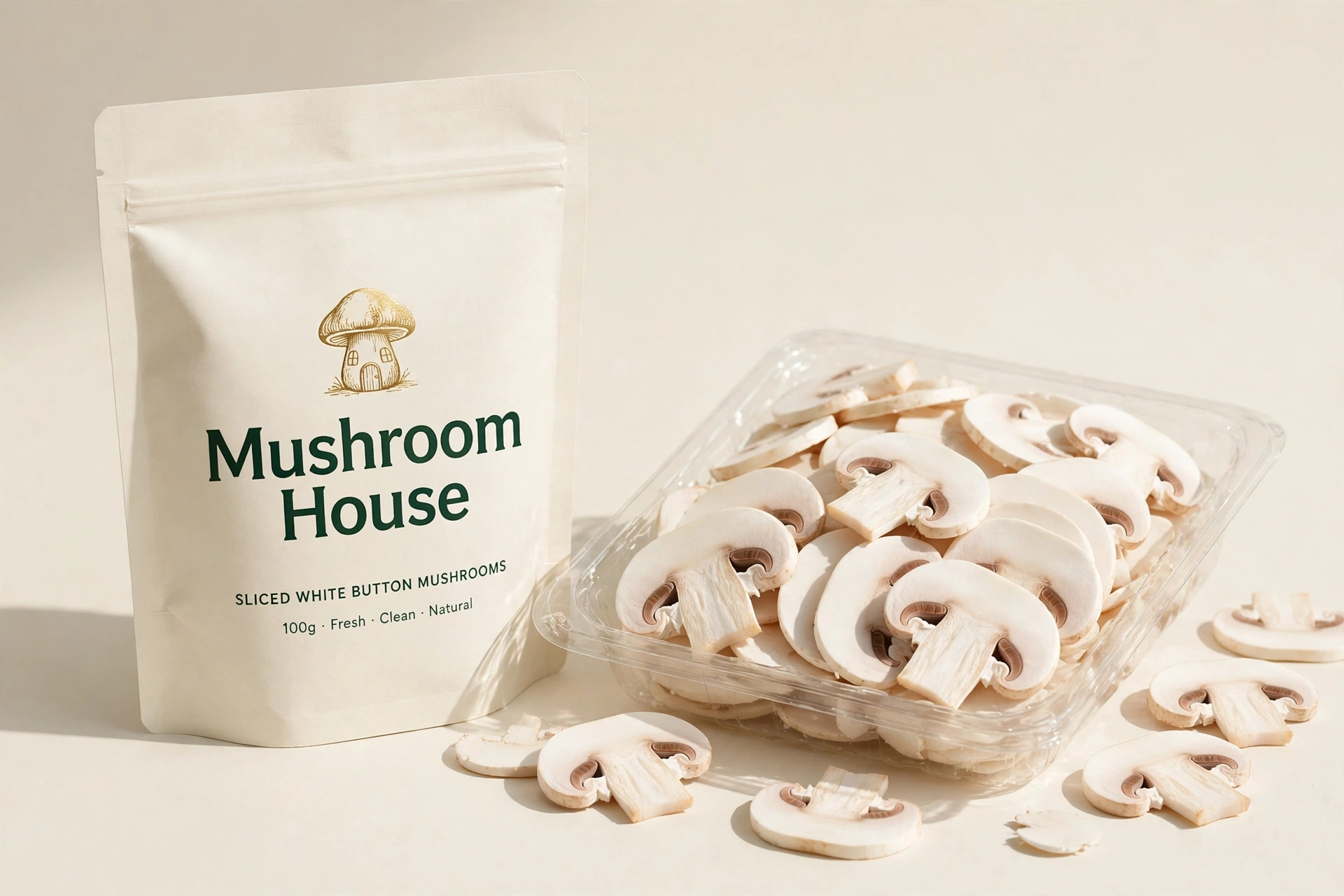
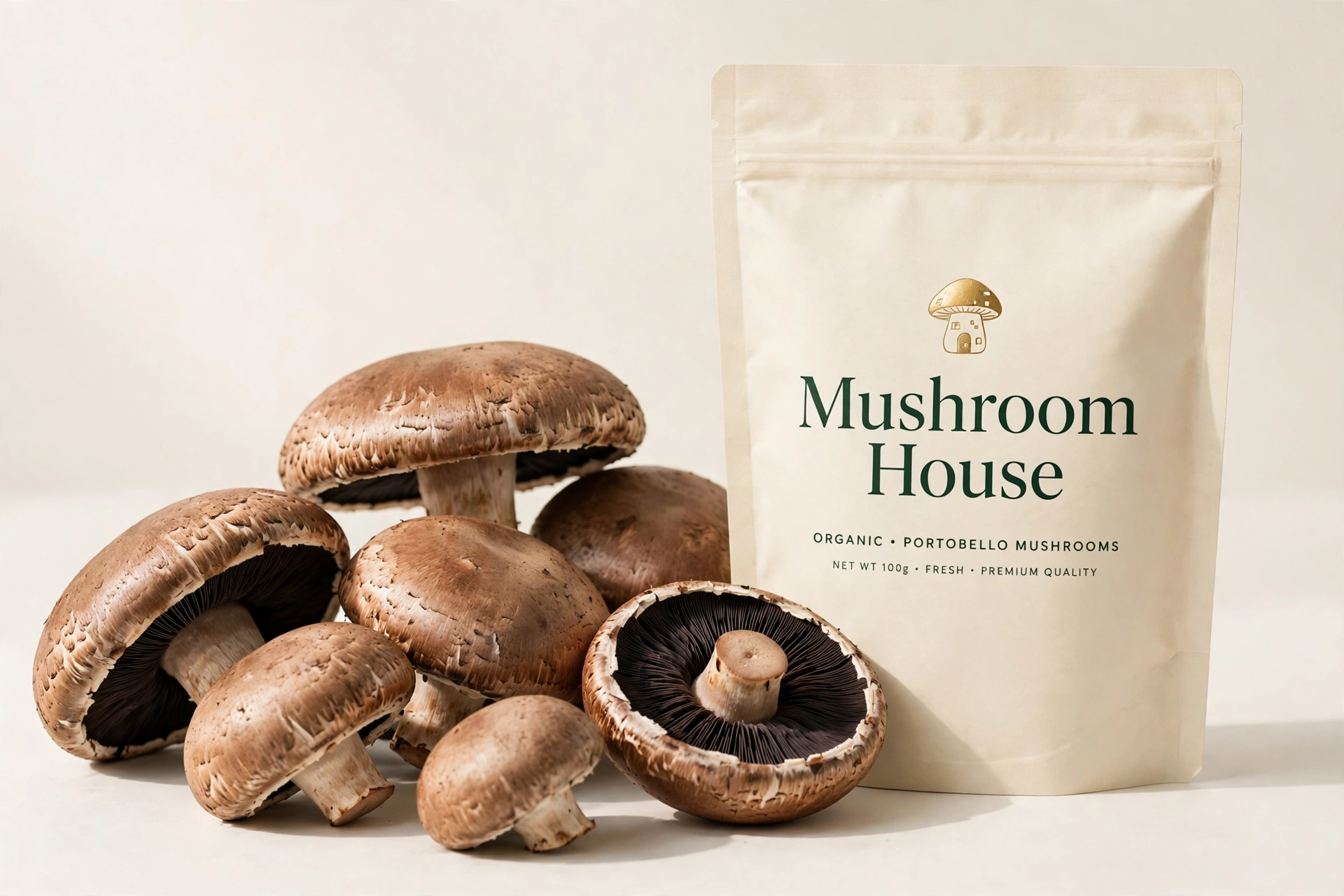
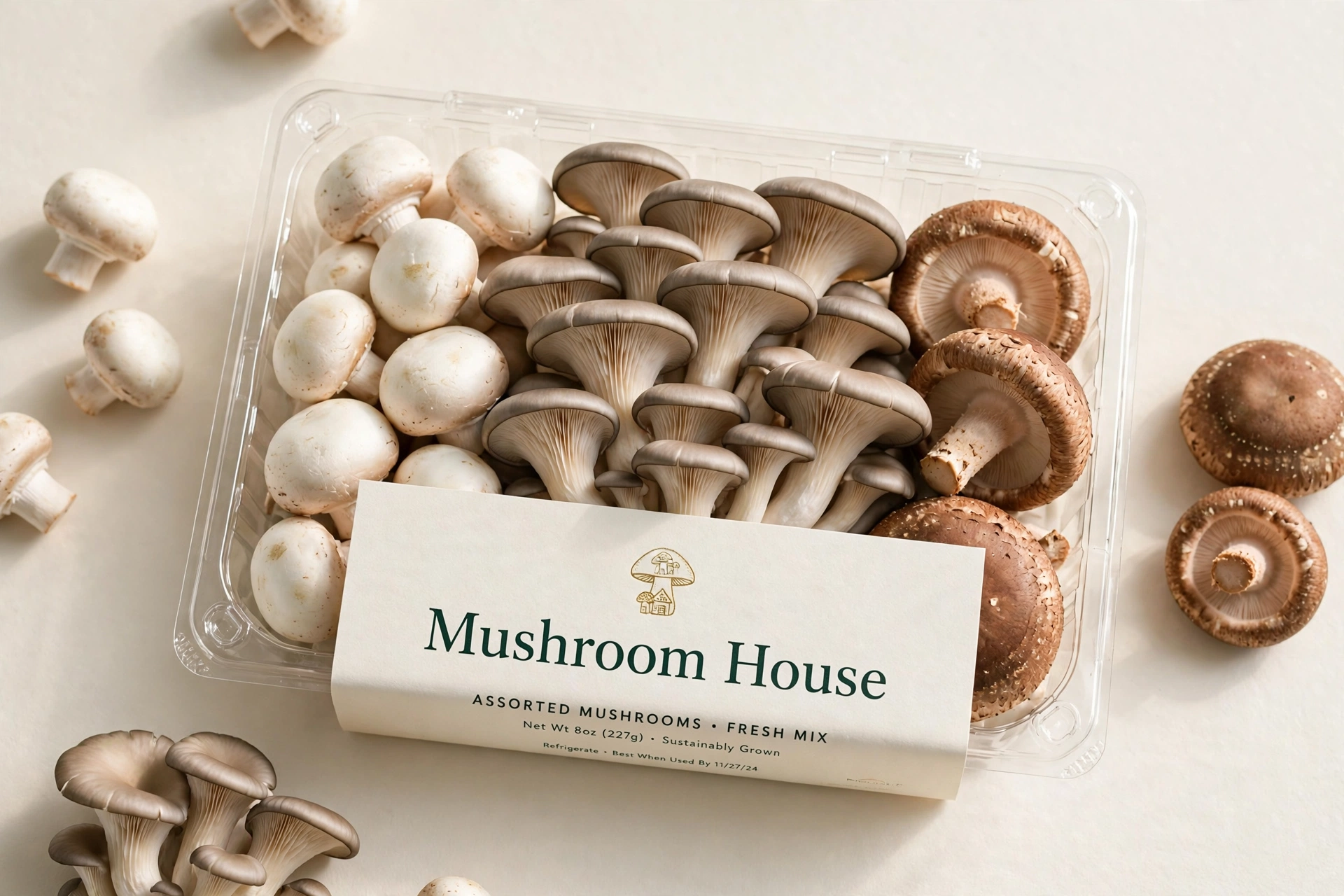
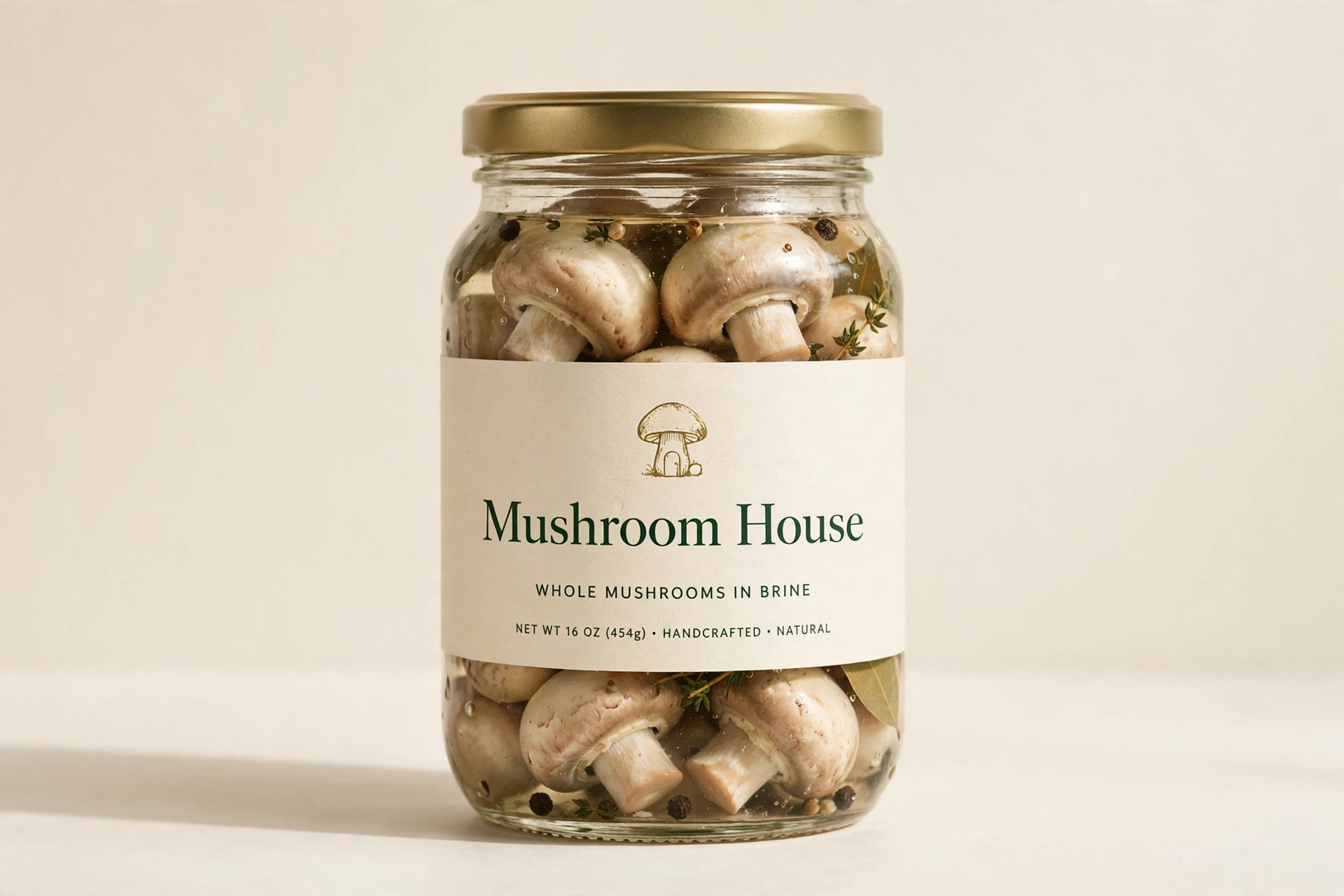
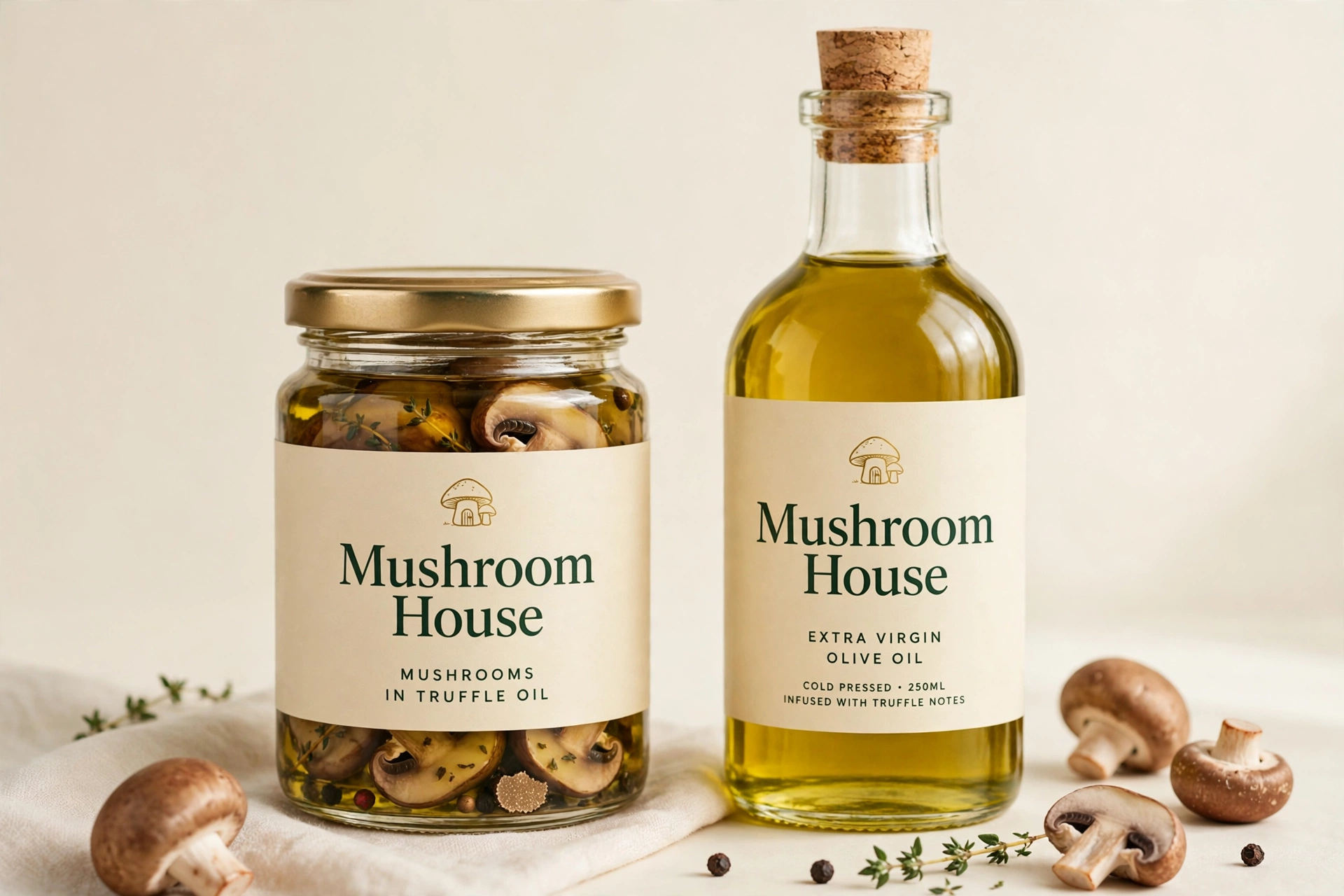
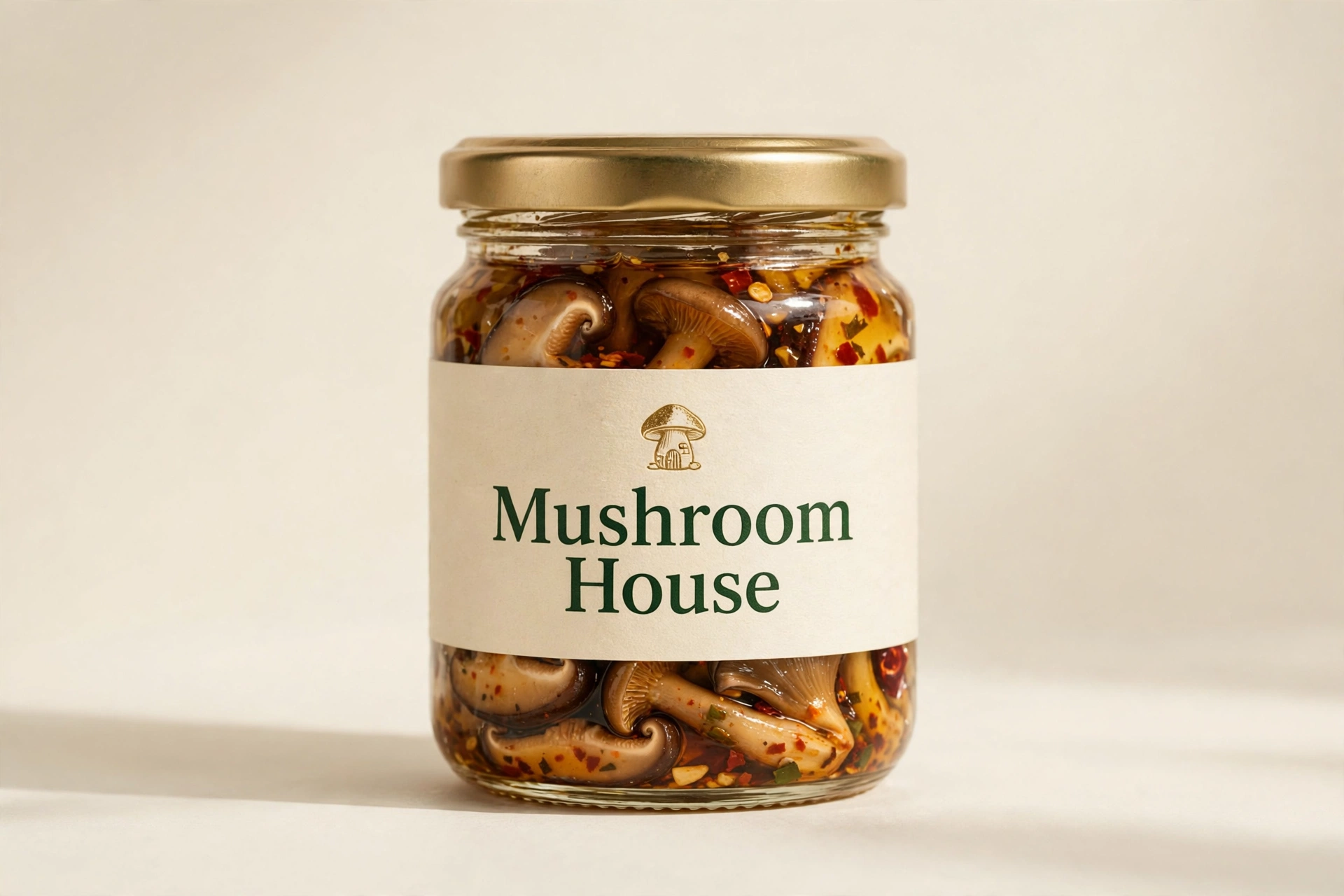
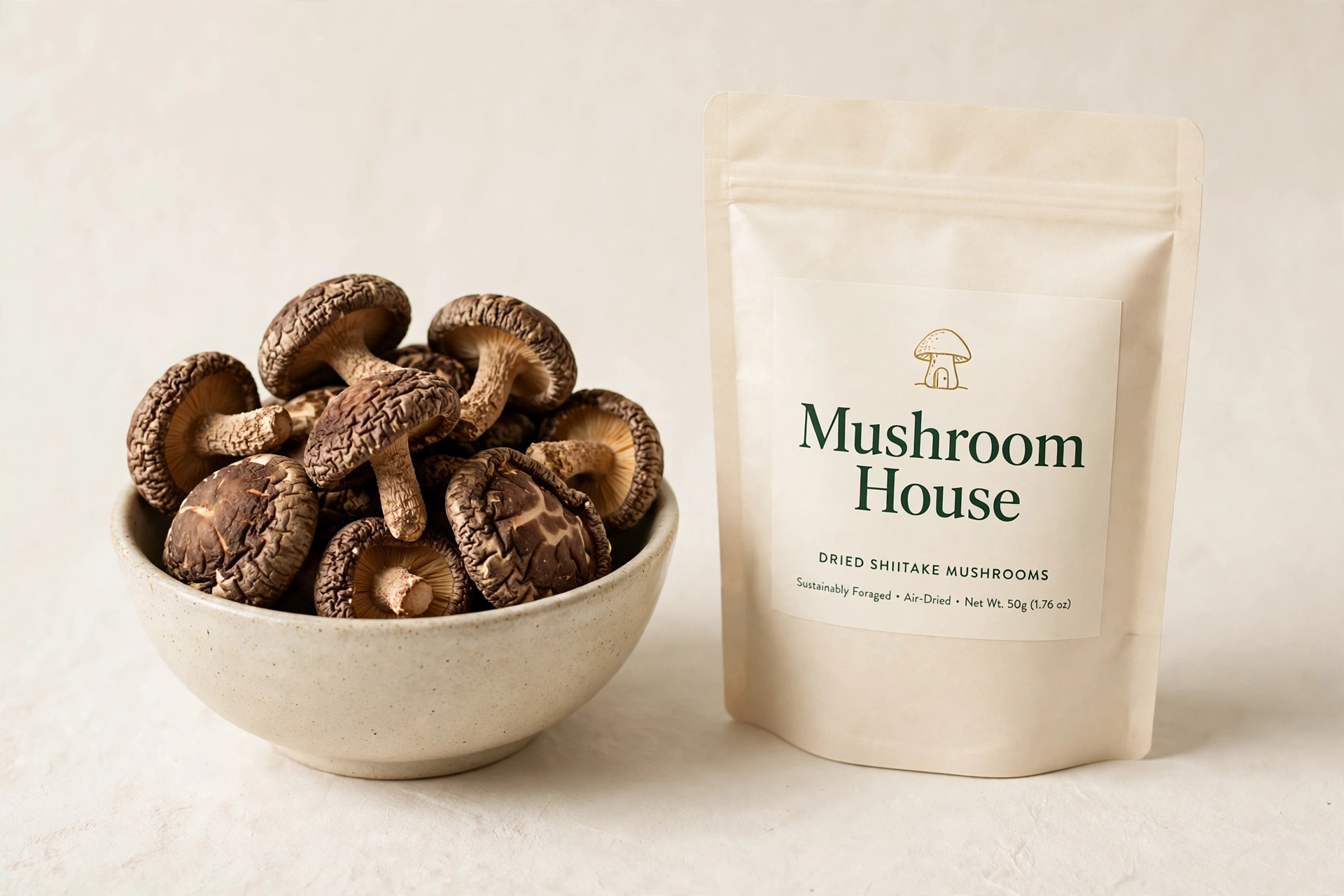
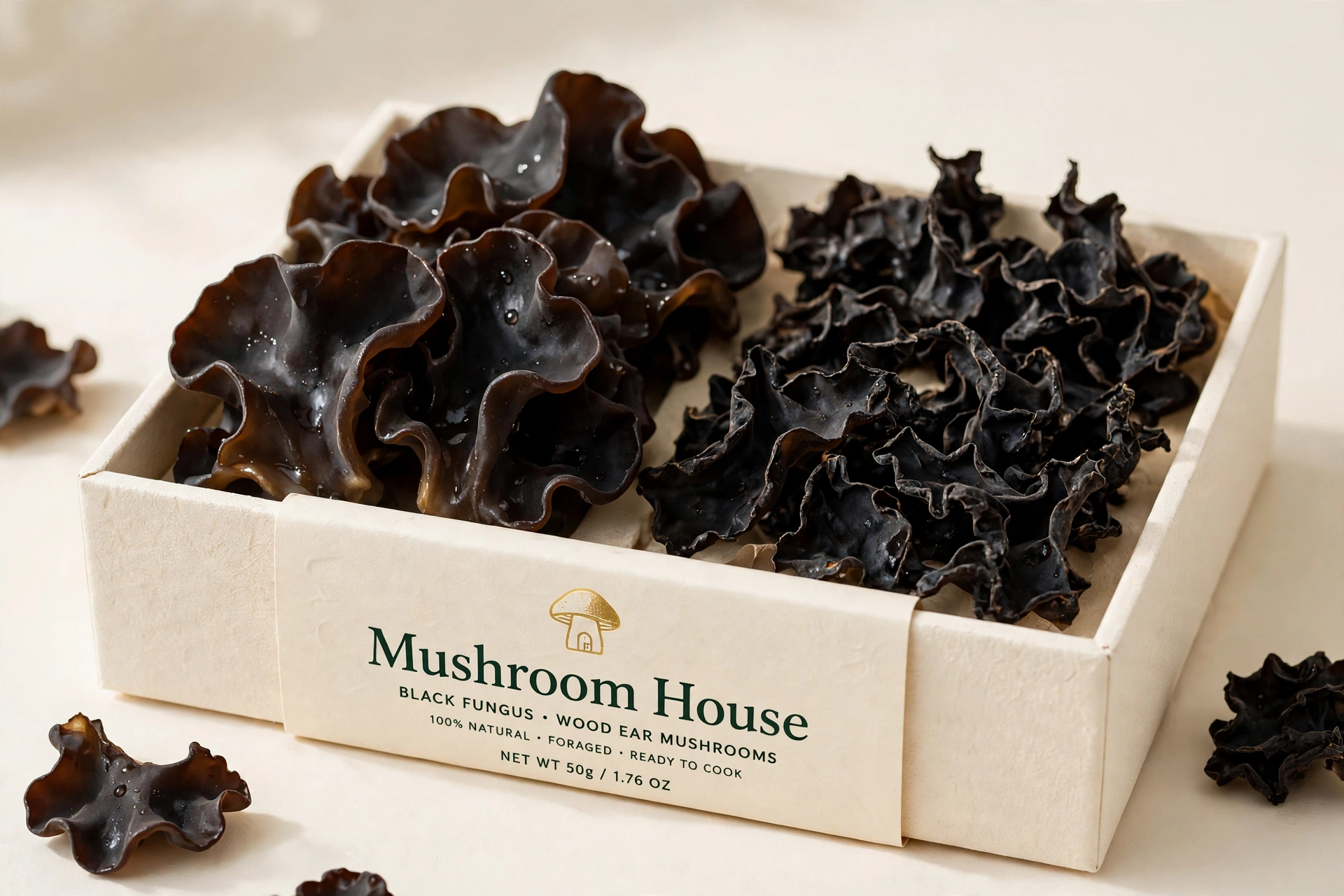
Pakistani kitchens know mushrooms in more forms than ever before. The button mushroom is the everyday favourite, mild and firm, at home in pizzas, omelettes, soups and gravies. The oyster mushroom grows in soft clusters with a delicate bite and cooks in minutes. The shiitake mushroom brings deep umami flavour and a meaty chew, fresh or dried. The black mushroom, the dried black fungus of Chinese style cooking, adds crunch to soups, noodles and spring rolls.
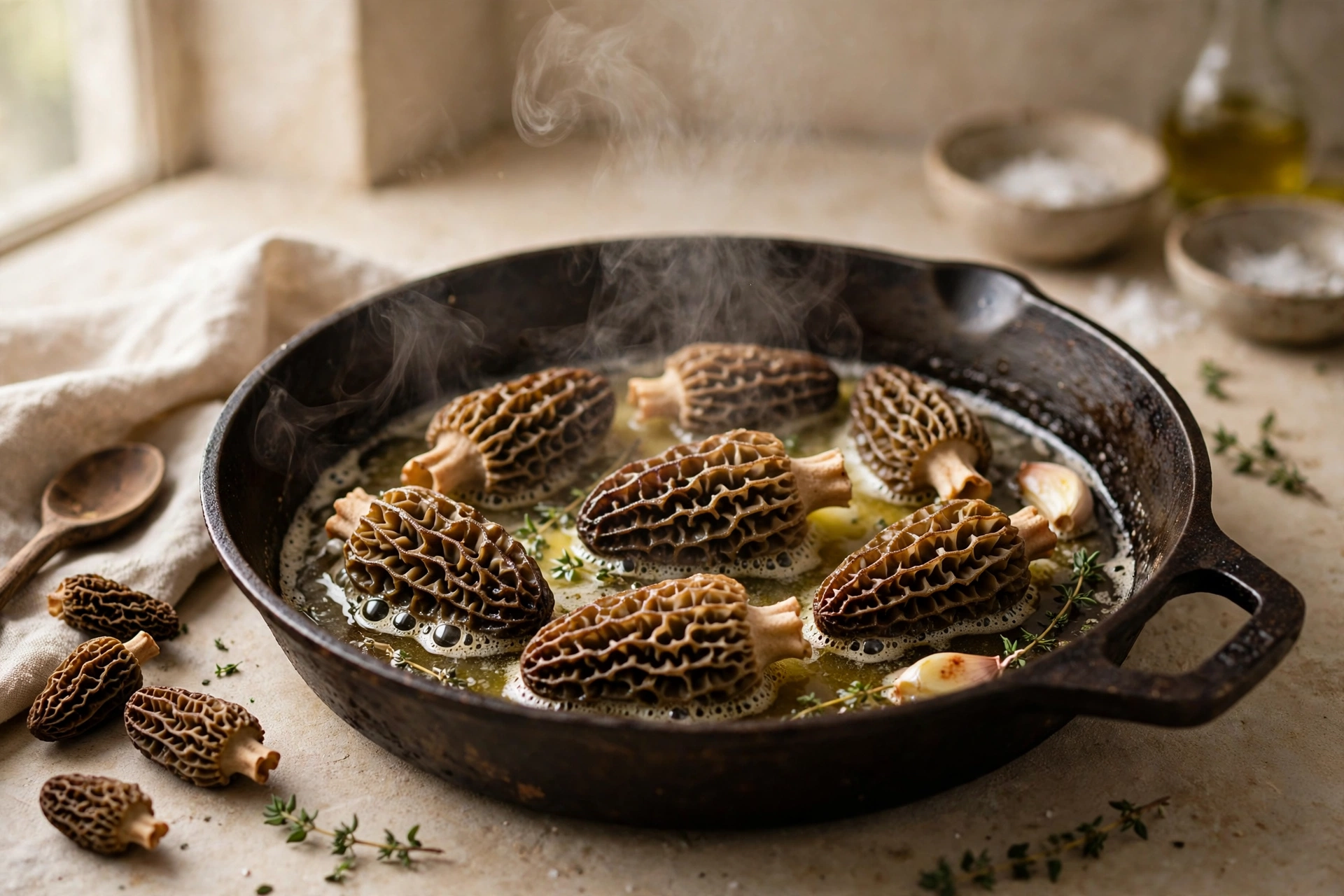
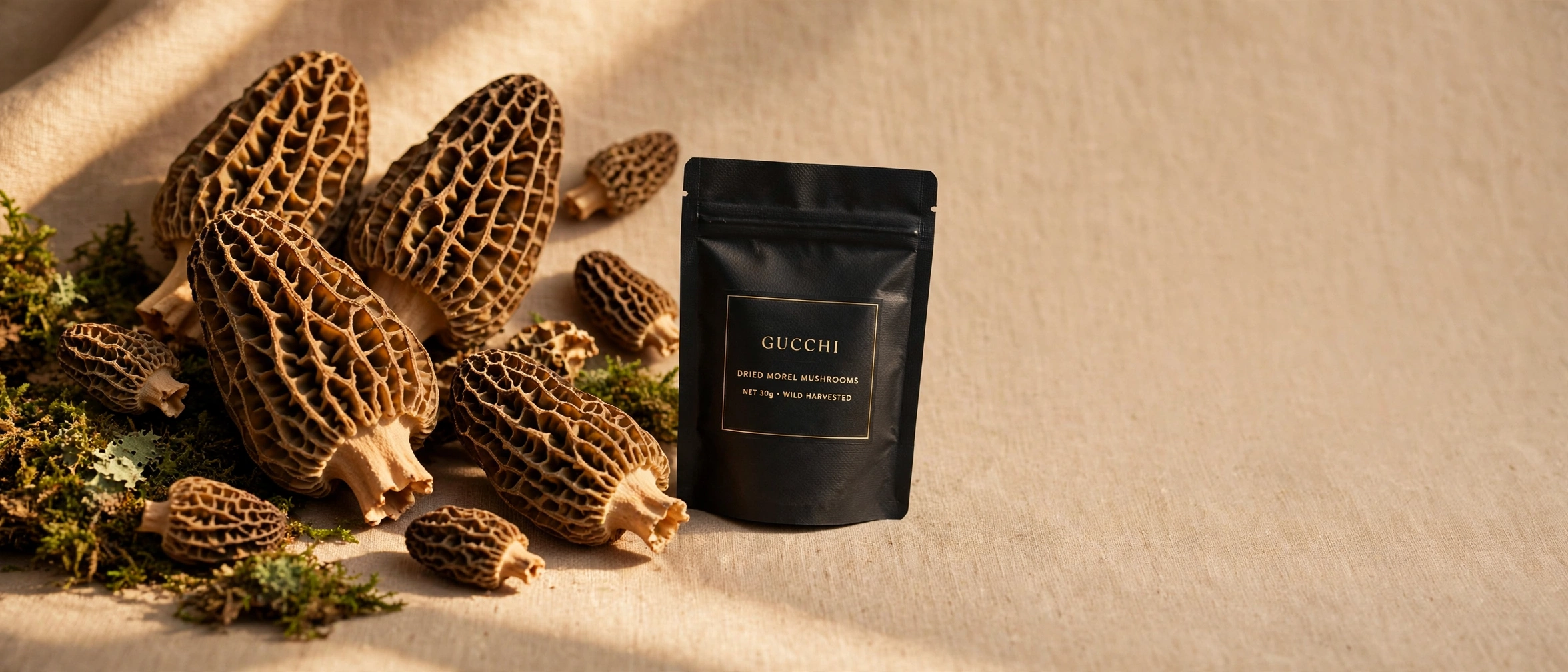
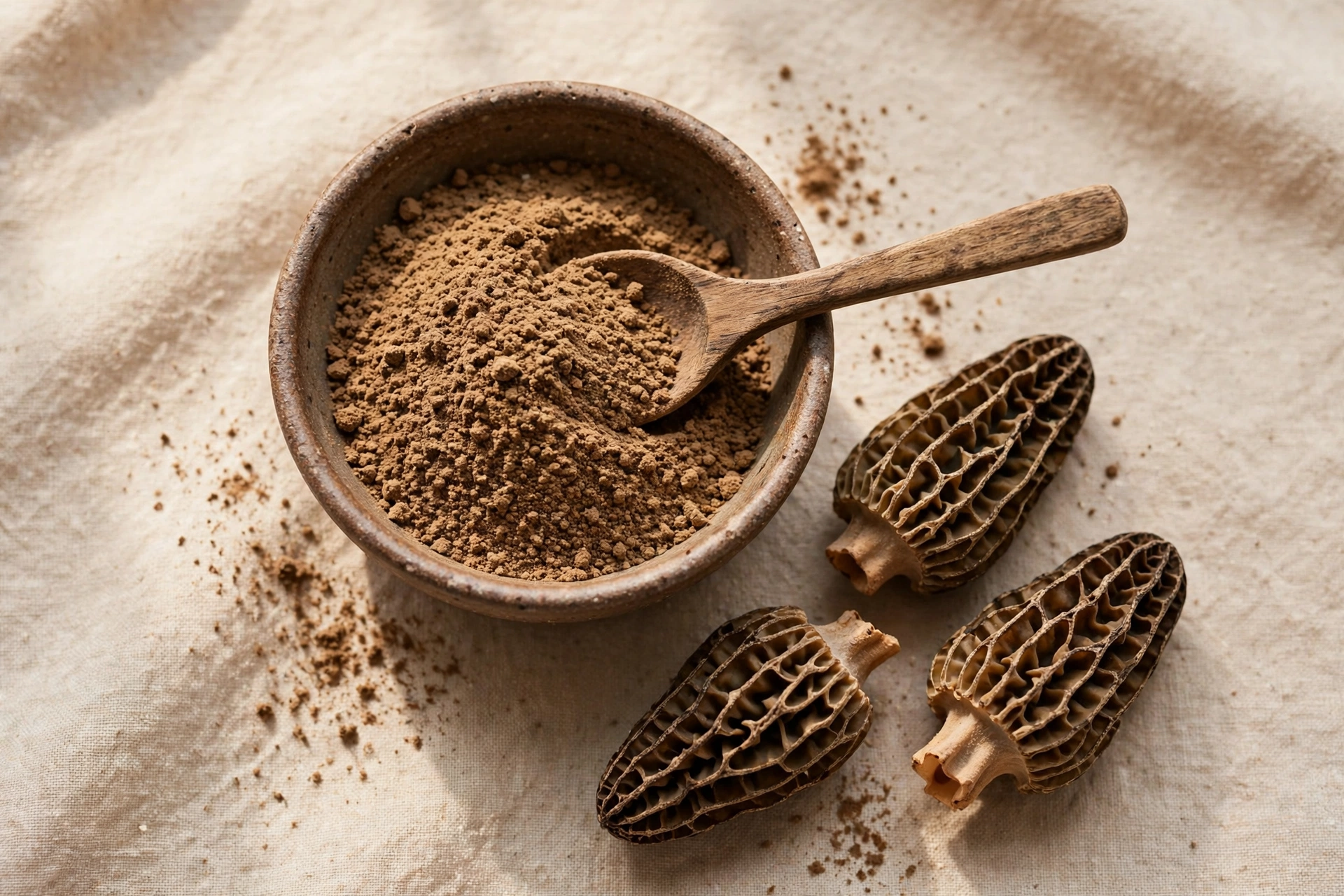
Above them all sits the wild morel, the gucchi of the northern mountains. It cannot be farmed, it appears for a short season, and its honeycomb cap and nutty depth put it in a class of its own. That wild morel is the specialty of Mushroom House, and our guide to the types of mushrooms explains how to tell each variety apart.
From The Northern Mountains To Your Kitchen
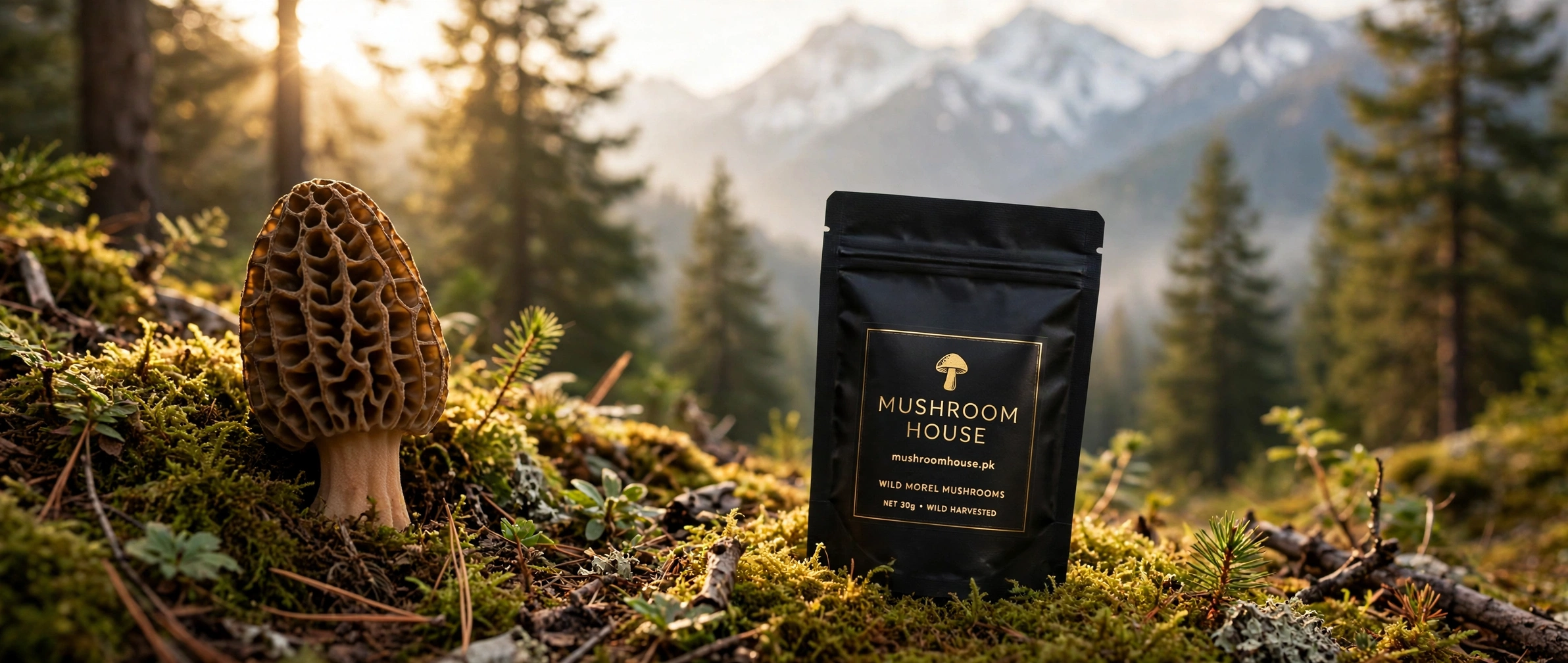
Our morels are wild found in the cold climate areas of Gilgit Baltistan, Khyber Pakhtunkhwa and Chitral. They grow at high altitude, under open sky, in clean mountain air and natural soil, the way they have grown for centuries.
We do not grow them, and we never claim to. Local collectors walk the slopes and find each piece one by one, the same way their families have done for generations. Because the morels grow wild, they are organic by nature. Nothing is sprayed, nothing is forced and nothing is added at harvest. Earth Born is not a slogan for us. It is simply a description of where our morels come from.
The harvest follows the snowmelt. As the slopes warm in spring, the first caps push through the soil near pine and oak trees, and the collectors begin their rounds. The window is brief, often just a few weeks, and a slope that gives generously one year may rest the next. This rhythm is part of the character of gucchi, and it is why each season tastes a little different from the last.
Why Wild Mushrooms Cost More
A wild mushroom grows slowly, under open sky, feeding on real forest soil and fallen wood. Nothing is controlled and nothing is rushed, and research keeps showing that this wild life builds a richer food.
A study from Penn State University, published in the journal Food Chemistry, tested 13 species and found that mushrooms are the highest dietary source of two antioxidants, ergothioneine and glutathione, taken together. The wild porcini carried the highest levels by far, well above farmed types such as the white button. Sunlight adds a second gift. Research published in Food and Nutrition Research reports that wild mushrooms carry natural vitamin D2, in some wild species 3 to 59 micrograms per 100 grams, while stock grown in dark sheds holds almost none. Mushrooms are the only non-animal food source of vitamin D. The USDA food database credits raw morels with protein, iron and B vitamins at only about 31 calories per 100 grams, a rare mix of richness and lightness. Chefs add a simpler point. Slow growth in natural ground builds a depth of flavour that fast farmed harvests rarely match.
None of this can be ordered from a farm. In Pakistan the morel season opens with the spring snowmelt and runs roughly from March to May, moving uphill as the slopes warm, through forests between 1,800 and 3,000 metres. One FAO estimate puts the yearly collection at about 50 tonnes of dried morels, gathered by some 150,000 forest dwellers, with most of the harvest coming from Khyber Pakhtunkhwa.
The search itself is slow, skilled work. Local collectors, often whole families, walk steep slopes for hours and read the ground under pine and oak trees, where a honeycomb cap the colour of dry leaves hides in plain sight. A slope that gives generously one spring may give nothing the next. A report carried by Dawn, quoting WWF Pakistan, describes a collecting season that once lasted two months and has shrunk to a few days in some valleys as winters warm. One family near Ayubia that once brought home 10 to 15 kilos in a season now finds 2 to 3. Every find must then be carried down the mountain and dried with care, and about ten kilos of fresh harvest shrink into one kilo of dried stock.
Put the two halves together and the price stops looking mysterious. A food that research ranks among the richest natural sources of antioxidants and vitamin D, gathered piece by piece from high forests in a shrinking season, will never sit in the cheap basket. The price of a wild mushroom is the honest maths of scarcity.
Mushroom Price In Pakistan: Our Full Price List
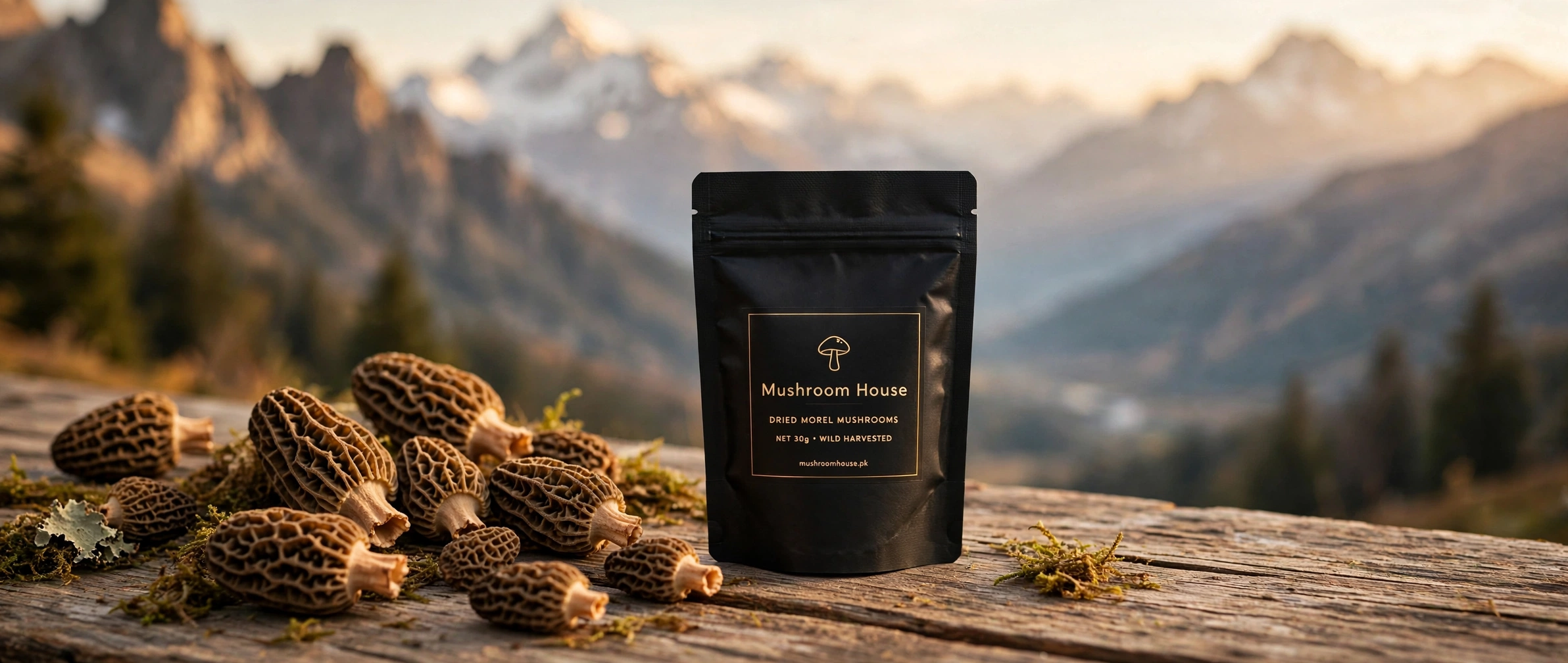
Price is the first question most buyers ask, and it deserves a clear answer. When people search for mushroom price in pakistan, they often meet vague pages that hide the numbers. We do the opposite. Everything we sell is listed below with pack prices divided fairly from the per kg rate, so a small pack never carries a penalty.
| Product | Detail | Price per kg | 250 g pack | 500 g pack | 1 kg pack |
|---|---|---|---|---|---|
| Dried Morel Mushroom, A Grade | Without stem, best pieces | Rs 55,000 | Rs 13,750 | Rs 27,500 | Rs 55,000 |
| Dried Morel Mushroom, B Grade | With stem, full flavour | Rs 45,000 | Rs 11,250 | Rs 22,500 | Rs 45,000 |
| Morel Mushroom Powder | Ground dried morel | Rs 60,000 | Rs 15,000 | Rs 30,000 | Rs 60,000 |
Those are our own prices. To help you compare, here are the typical market rates for other types across Pakistan, checked from stores and markets in November 2026. Fresh prices move with season, city and supply, so treat these as a guide, not a promise. Mushroom House does not sell these types yet.
| Type | Form | Typical market price |
|---|---|---|
| Button | Fresh | Rs 800 to 2,400 per kg |
| Oyster | Fresh | Rs 1,800 to 3,250 per kg |
| Shiitake | Fresh | Rs 6,000 to 6,500 per kg |
| Shiitake | Dried | Around Rs 8,000 per kg |
| Portobello | Fresh | Rs 2,000 to 4,000 per kg |
| Black fungus | Dried | Around Rs 390 to 495 per 30 g pack |
| Brine packed | Canned | Around Rs 620 per 330 g tin |
The pattern is simple. Farmed types grown near cities cost the least. Imported and dried types cost more, because drying shrinks ten kilos of fresh harvest into about one kilo of dried product. Wild morel sits at the top, because nobody can grow it on purpose.
Why Mushroom Prices Vary So Much
Stand in two different markets and the same variety can carry two very different prices. The first reason is how it is produced. Button and oyster mushrooms are farmed near cities, so their price follows the cost of growing space, labour and transport. When local supply is strong, prices soften. When supply dips, prices climb within weeks.
Freshness is the second reason. Fresh mushrooms are mostly water and spoil fast, so sellers price in the risk of waste, and city supermarkets charge more than wholesale bazaars. Dried mushrooms follow different maths. A large fresh harvest shrinks into a far smaller weight once dried, so the dried kilo carries the cost of many fresh kilos, plus the work of cleaning, drying and packing.
Wild mushrooms sit above every farmed and dried type, for the reasons covered in the section above: nobody can grow them on purpose, the season is short, and every piece is found by hand. What we control is honesty: clear labels, fair pack maths and no mixing with cheaper stock.
Transport adds a quiet cost as well. Harvests travel from farms and villages to town markets on rough roads, then onwards to packing tables, where each piece is checked and cleaned by hand. Careful handling protects quality, and it cannot be rushed without spoiling the very thing buyers pay for.
Why People Love Mushrooms
Taste comes first. It brings savoury depth, the umami quality that makes soups taste rounder, gravies taste richer and simple eggs taste like a treat. Each type has its own character, from the gentle button to the bold shiitake, and a small handful can change a whole dish.
Nutrition comes a close second. Mushrooms offer plant protein and fibre, vitamin D and B vitamins, and minerals such as iron and copper, along with natural antioxidants, all for very few calories. Our page on mushroom benefits walks through the numbers in plain language.
Versatility seals it. The same kitchen shelf can hold fresh buttons for a weekend pizza, dried shiitake for a weekday soup and morel powder for a festive pulao. Few ingredients move between humble and festive cooking with such ease. If you want ideas, our collection of mushroom recipes covers meal prep, quick dinners, soups and sauces.
How To Cook Mushrooms
Fresh mushrooms ask for a light touch. Wipe them clean instead of soaking them, because they drink water fast and turn soggy. Cook them in a hot pan with a little butter or oil, give them space instead of crowding, and let them brown before you stir. Salt goes in near the end. Treated this way, fresh buttons, oysters and shiitake stay firm and full of flavour.
Dried mushrooms ask for patience instead, and the steps reward it:
- Soak the pieces in warm water for 20 to 30 minutes, until soft.
- Lift them out gently and rinse once to clear grit.
- Keep the soaking water. Strain it and add it to your dish as a rich stock.
- Cook them thoroughly in butter or desi ghee with garlic, or add them to pulao, soups, pasta, sauces and gravies.
For powder, skip the soaking. Stir half a teaspoon into hot dishes near the end of cooking.
Store dried mushrooms and powder in an airtight jar in a cool, dry place away from sunlight. Kept this way, they stay good for months.
Delivery across Pakistan
We deliver all over Pakistan. Delivery is free on every order that totals 1 kg or more, across every product in the store. Smaller orders of 250 g or 500 g carry a delivery charge of Rs 500. Standard delivery takes up to 7 days. A faster 3 day option is available for Rs 400 extra, and orders for Islamabad and Rawalpindi arrive in 3 days at the standard charge. Payment is simple: JazzCash or Easypaisa.
Why Buy From Mushroom House
- Wild and real. Found in the mountains of Gilgit Baltistan, Khyber Pakhtunkhwa and Chitral. Never farmed, never mixed.
- Honest grading. A grade, B grade and powder are labelled clearly, so you know exactly what you pay for.
- Fair pack maths. The 250 g and 500 g prices are divided straight from the kilo rate. No small pack penalty.
- Nationwide delivery. From Karachi to Khyber, with a faster option when the occasion calls for it.
- Food only, done properly. We sell a small range of foods and handle each one with care, instead of selling everything and mastering nothing.
Frequently Asked Questions
What is gucchi?
Gucchi is the local name in Pakistan for the morel. It is a wild variety found in cold, high altitude areas such as Gilgit Baltistan, Khyber Pakhtunkhwa and Chitral, and it is prized for its honeycomb cap and deep flavour.
What is the mushroom price in Pakistan?
Our dried morel A grade is Rs 55,000 per kg, B grade is Rs 45,000 per kg and morel powder is Rs 60,000 per kg. The 250 g and 500 g packs are priced by simple division from these rates.
Why are wild mushrooms so expensive?
Because it cannot be farmed. It grows wild for a short season in hard to reach mountain areas, and every piece is collected by hand. Supply stays small while demand stays high, in Pakistan and abroad.
What is the difference between A grade and B grade?
A grade morel comes without the stem and carries the cleanest shape. B grade comes with the stem and costs less. The flavour family is the same; the difference is presentation and price.
How do I cook dried mushrooms?
Soak it in warm water for 20 to 30 minutes, rinse gently, then cook it in butter or ghee, or add it to pulao, soups and gravies. Use the strained soaking water as a stock for extra depth.
Is delivery free?
Yes. Every order that totals 1 kg or more is delivered free, on every product. Smaller orders of 250 g or 500 g carry a delivery charge of Rs 500.
How long does delivery take?
Standard delivery takes up to 7 days all over Pakistan. A 3 day option is available for Rs 400 extra, and Islamabad and Rawalpindi orders arrive in 3 days at the standard charge.
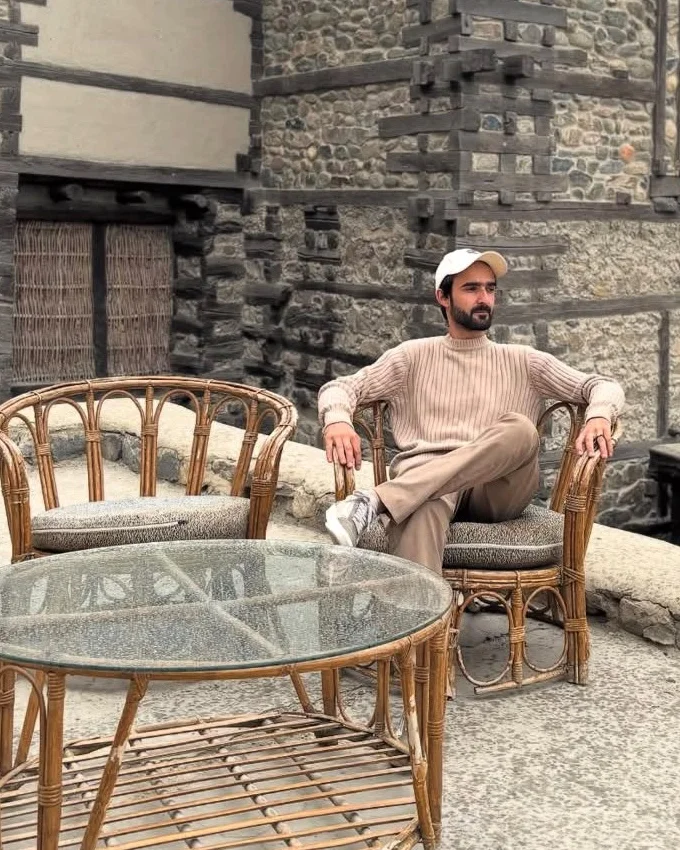
Raja Fahad Rahman
Founder and CEO, Mushroom House
Entrepreneur and student from Gilgit. He founded Mushroom House to bring wild gucchi from the northern mountains to kitchens across Pakistan at honest prices. Read our story